Procurement & Sourcing Guide for Carbon Fiber in Automotive Applications
The automotive industry is increasingly focusing on materials that enhance performance and efficiency, with carbon fiber standing out as a prime choice. Known for its lightweight yet robust nature, carbon fiber can decrease vehicle weight by up to 60%, leading to significant improvements in fuel economy and overall performance. This guide provides a comprehensive look at the procurement journey for carbon fiber in automotive applications, emphasizing supplier evaluation, quality certifications, and cost strategies. To understand detailed specifications and sourcing strategies, refer to carbon fiber for automotive manufacturer, provided by Impact Materials.
Understanding Carbon Fiber’s Role in Automotives
Core Properties and Benefits
Carbon fiber is selected for its outstanding strength-to-weight ratio, crucial for high-performance automotive components. It typically features tensile strengths between 400 and 700 MPa, coupled with an elasticity modulus of 240 GPa, allowing the creation of components that are both light and durable. This material’s unique properties make it indispensable for futuristic automotive designs.
- Tensile strength: 600 MPa, exemplified by 3K Twill Carbon Fiber
- Density: Approximately 1.6 g/cm³, contributing to its lightweight nature
- Thermal endurance: Suitable up to 150°C
- Superior fatigue resistance, ensuring longevity
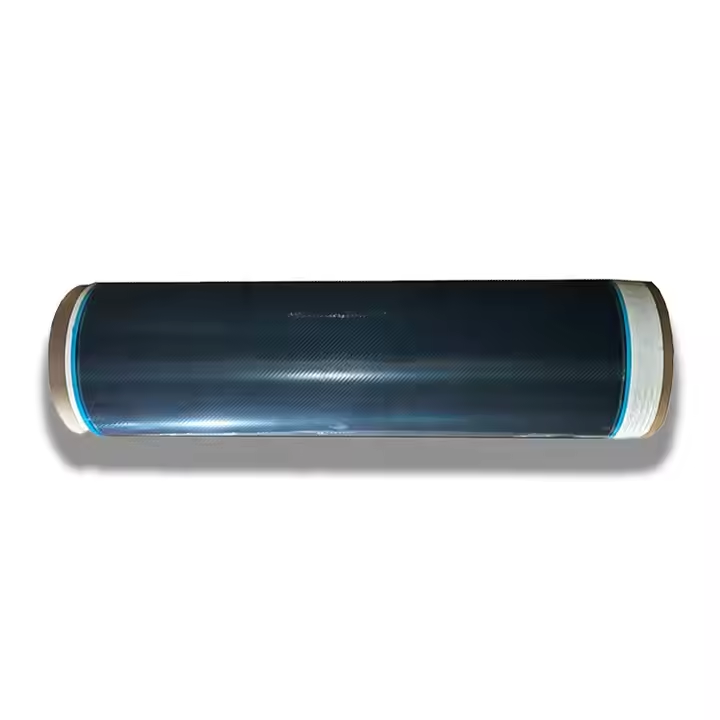
For high-performance applications, incorporating solutions like 3K Twill Carbon Fiber Fabric Epoxy Resin Prepreg is recommended.
Impact on Vehicle Weight and Efficiency
The integration of carbon fiber in automotive structures offers substantial weight reduction without sacrificing structural integrity or safety. This decrease in weight enhances fuel efficiency and reduces emissions, supporting global environmental goals. Studies, including ISO 14125 testing, indicate carbon fiber can achieve weight reductions up to 50% compared to steel.
| Material | Tensile Strength (MPa) | Density (g/cm³) |
|---|---|---|
| Carbon Fiber | 600 | 1.6 |
| Aluminum | 310 | 2.7 |
| Steel | 500 | 7.8 |
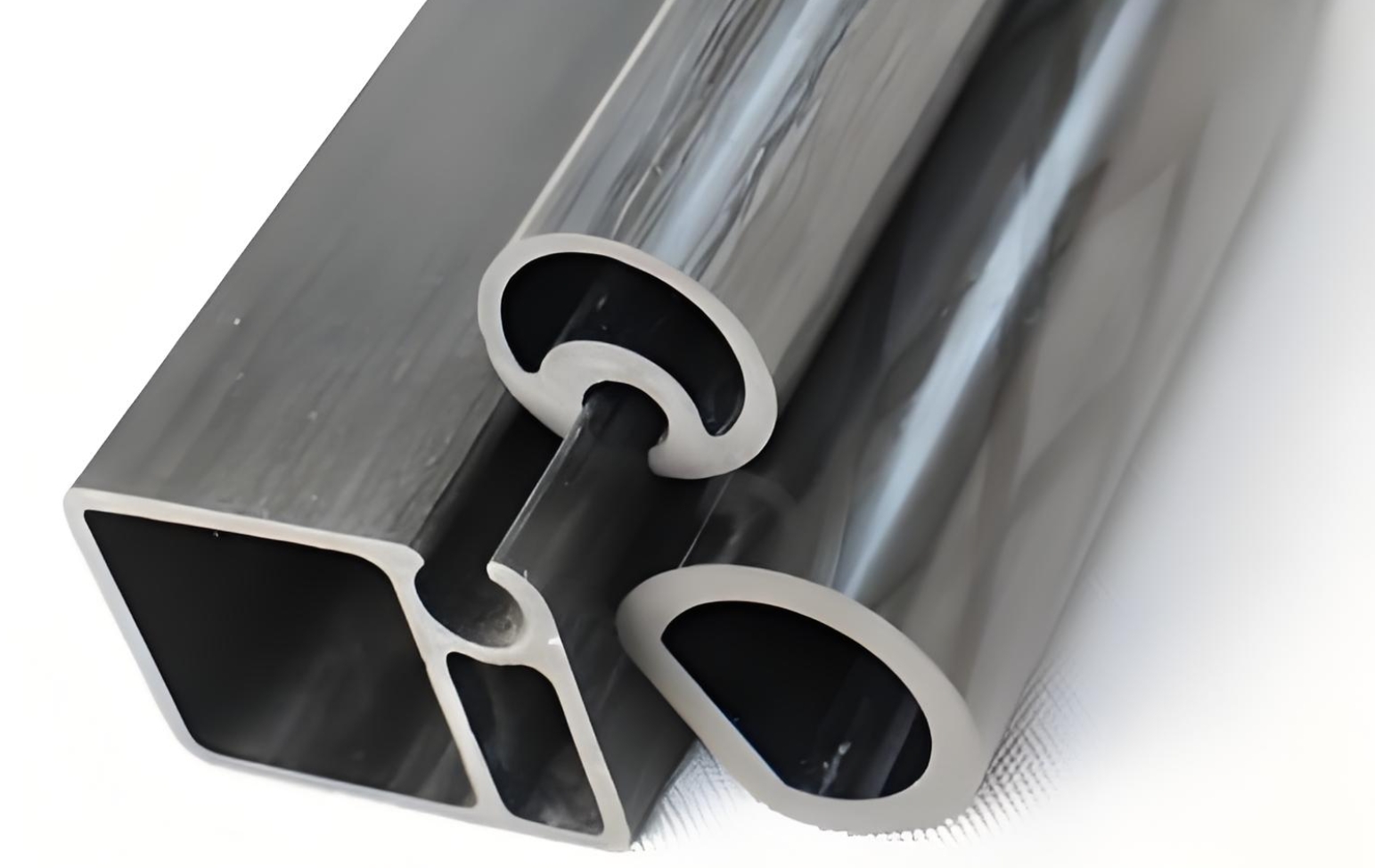
For structural needs, Impact Materials offers Special Section Pultruded Carbon Fiber Rod products tailored for automotive use.
Carbon Fiber Applications in Automotive Design
Interior Components
Carbon fiber’s sleek and modern aesthetic, combined with its functional properties, makes it an excellent choice for car interiors. Common applications include dashboards, door panels, and seat frames. Products like the Matte / Glossy Pultrusion Carbon Composite Material CFRP Carbon Fiber Square Pipe are well-suited for these applications, offering both style and structural support.
Structural and Exterior Parts
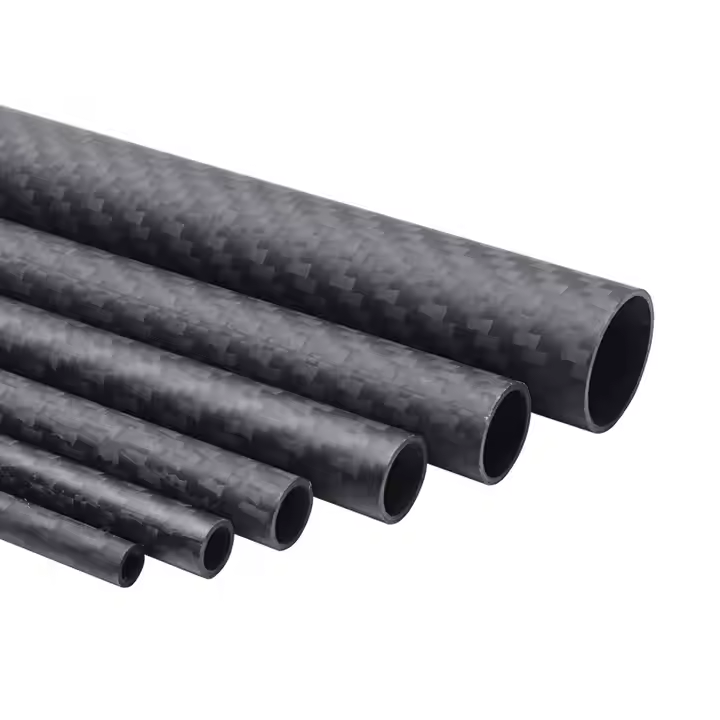
In terms of structural and exterior parts, carbon fiber is widely utilized for body panels, hoods, and spoilers. Its superior strength-to-weight ratio and environmental resistance make it ideal for these applications. The Round Rod Carbon Composite Material is a popular choice for ensuring durability and performance in such parts.
Featured Carbon Fiber For Automotive Products
Discover the top-rated carbon fiber offerings from Impact Materials, favored by manufacturers across over 120 countries.
Sourcing Carbon Fiber for Automotive Use
Criteria for Evaluating Suppliers
Effective procurement of carbon fiber involves thorough supplier evaluation. Consider suppliers’ expertise, their certifications, particularly ISO 9001, and their ability to offer customized solutions. A supplier like Impact Materials, with its extensive experience and certification, provides both reliability and quality assurance.
Key Certifications and Supplier Attributes
Prioritize suppliers with recognized quality certifications, such as ISO 9001, which indicate adherence to strict quality management standards. This ensures the carbon fiber you procure meets high-performance expectations.
Negotiating MOQ and Lead Times
Understanding minimum order quantities (MOQ) and expected lead times is crucial when selecting suppliers. Aim to collaborate with those who can flexibly meet your business’s specific demands without compromising on delivery schedules.
Red Flags in the Sourcing Process
Be vigilant for signs that may indicate potential issues with a supplier. Lack of transparency in pricing, delays in communication, or inconsistent product quality are critical red flags that should prompt further investigation or consideration of alternative suppliers.
Strategies for Cost Optimization
To optimize costs, explore bulk ordering and long-term contracts to secure favorable pricing. Consider suppliers with flexible payment terms and those who offer discounts on large purchases, thus optimizing your procurement budget effectively. For those looking to buy carbon fiber for automotive, these strategies can lead to substantial cost savings.
For more insights and solutions, visit Impact Materials for carbon fiber for automotive solutions, where you can access a wide range of tailored products to meet your automotive needs.